Mobility Aids for Elderly & Patients | Health Point
Buy walkers, wheelchairs and commode chairs at competitive prices from Health Point. Explore mobility and homecare equipment for patients, elderly people and caregivers.
When an elderly family member starts finding it difficult to walk, when a patient returns home after surgery, or when someone needs assistance using the bathroom, the right medical equipment can make everyday routines easier to manage.
For families and caregivers, choosing suitable equipment is not always straightforward. Should you buy a walker or a wheelchair? Is a commode chair necessary for someone who struggles to reach the bathroom? Which option is suitable for home use?
At Health Point, we offer practical medical equipment solutions for patients, elderly individuals, caregivers and healthcare facilities. Our range includes commode chairs, walkers and wheelchairs, helping customers explore suitable options for everyday mobility and personal care at competitive prices.
Whether you are setting up a homecare space, supporting an elderly parent or purchasing equipment for a hospital or nursing facility, this guide will help you understand what to consider before buying.
Why Is the Right Mobility Equipment Important?
Reduced mobility can affect several aspects of everyday life, from moving around the home to attending medical appointments and using the bathroom safely.
The right equipment can help users maintain greater independence where possible, while making assistance more manageable for caregivers.
Mobility and personal-care equipment may be useful for:
- Elderly individuals who experience difficulty walking or maintaining balance.
- Patients recovering from surgery or illness.
- People with temporary or long-term mobility limitations.
- Individuals who need assistance moving around their homes.
- Caregivers looking after patients who require additional support.
- Hospitals, nursing homes, clinics and rehabilitation facilities.
The best equipment depends on the individual’s strength, balance, mobility, home environment and level of assistance required.
1. Walkers: Support for Everyday Walking
A walker is a mobility aid designed to provide additional support while walking. It may be suitable for individuals who can bear weight through their legs but need help maintaining balance or stability.
Who should consider buying a walker?
Walkers may be useful for older adults, people undergoing rehabilitation and individuals who need additional walking support following an illness or injury.
Different designs are available for different requirements. Depending on the model, options may include fixed-frame walkers, folding walkers, wheeled walkers and rollators.
What should you check before buying a walker?
Consider the following factors:
- Height adjustment: The walker should be adjustable to suit the user’s height.
- Stability: Choose a design appropriate for the user’s balance and walking ability.
- Weight capacity: Confirm the manufacturer’s stated maximum user weight.
- Grip comfort: Handles should be comfortable to hold.
- Indoor manoeuvrability: Consider doorways, furniture and available walking space.
- Folding design: A foldable model may be convenient for storage and transportation.
A walker is not automatically suitable for everyone who has difficulty walking. Individuals with significant balance problems or limited ability to bear weight may require a different mobility aid or professional assessment.
At Health Point, you can enquire about available walker options and compare their features before purchasing.
2. Wheelchairs: Mobility Assistance for Patients and Elderly Individuals
A wheelchair may be appropriate when walking is difficult, tiring, unsafe or not practical for the user’s current condition.
Wheelchairs are commonly used at home, in hospitals, during rehabilitation and when travelling to medical appointments.
When should you consider buying a wheelchair?
A wheelchair may be worth considering when a person:
- Cannot comfortably walk the distances required for daily activities.
- Needs assistance moving between rooms or around a healthcare facility.
- Has temporary mobility restrictions during recovery.
- Requires regular assistance attending medical appointments.
- Needs a mobility aid for longer-term use.
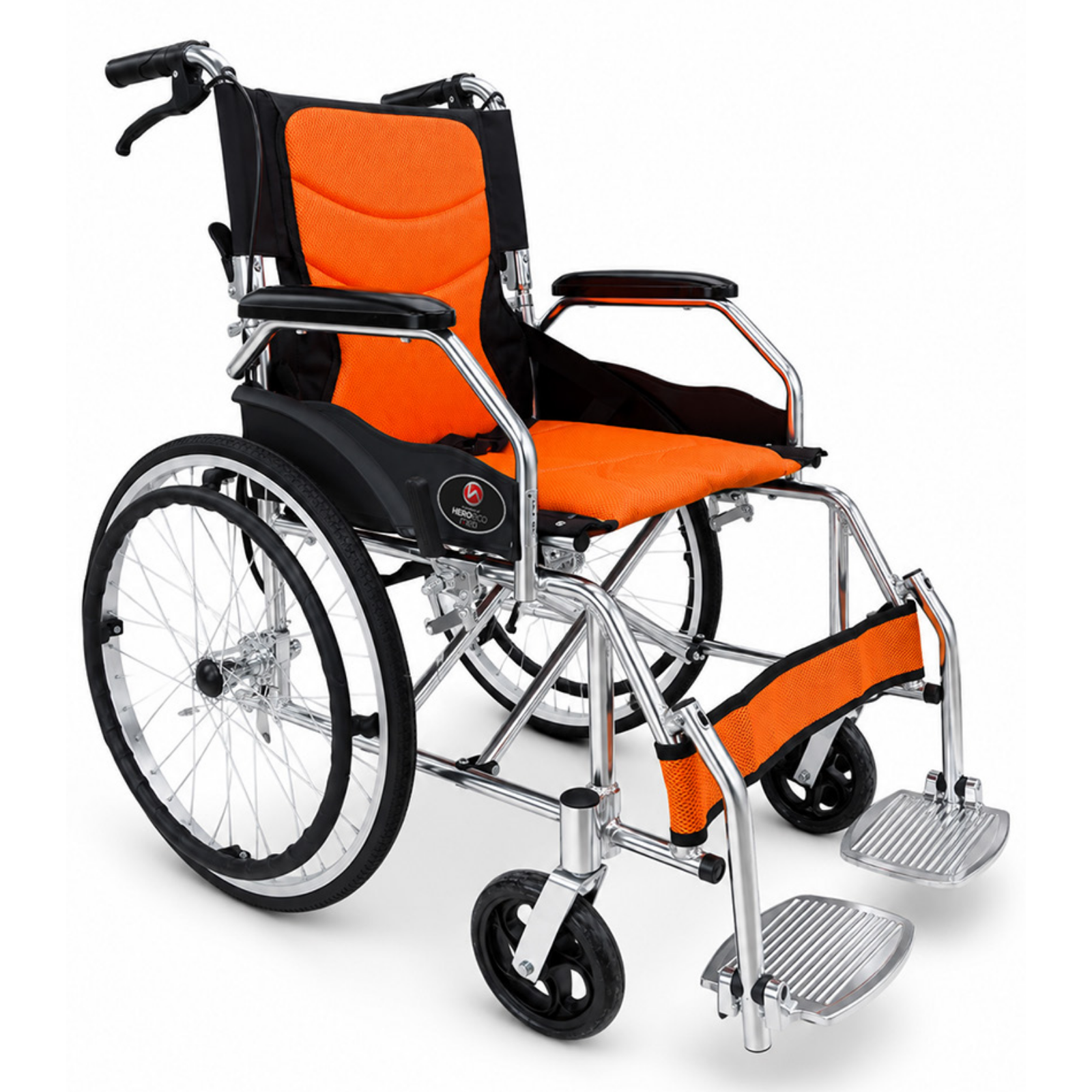
Manual wheelchairs can be propelled by the user, where their strength and abilities permit, or pushed by a caregiver. Aluminium-frame models may offer a lighter alternative to some steel-frame designs, although actual weight varies by model.
How do you choose the right wheelchair?
Before purchasing, check:
- Seat width and overall dimensions.
- Maximum user weight.
- Wheelchair weight and portability.
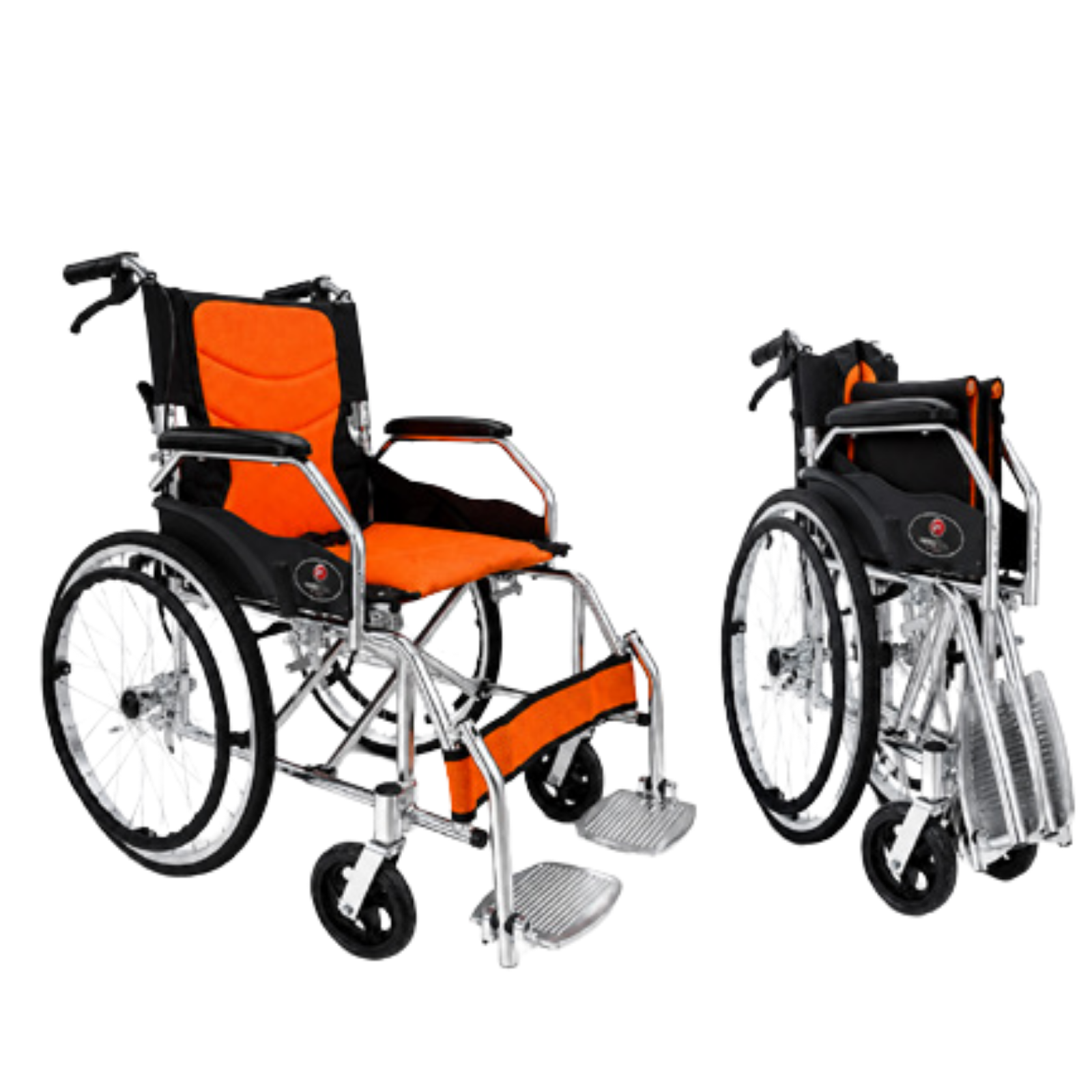
- Folding mechanism, if required.
- Wheel and brake design.
- Footrest and armrest configuration.
- Suitability for the user’s home and intended environment.
For frequent transportation, consider whether the wheelchair fits in the available vehicle and whether the caregiver can lift it safely.
If the wheelchair will be used for extended periods, seating comfort, posture and pressure management also deserve attention.
Looking for a wheelchair at a competitive price? Contact Health Point to enquire about available models and choose an option suited to your requirements.
3. Commode Chairs: Making Bathroom Access More Convenient
Using a conventional bathroom can become difficult for people who have trouble walking, standing for long periods or transferring safely onto a toilet.
A commode chair is designed to provide an alternative toileting arrangement. Depending on its design, it may be positioned beside a bed or used in another suitable location according to the manufacturer’s instructions.
Who may benefit from a commode chair?
Commode chairs may be considered for:
- Elderly people with limited mobility.
- Patients recovering after surgery.
- Individuals who find walking to the bathroom difficult.
- People receiving homecare assistance.
- Nursing homes and healthcare facilities.
What should you consider before buying a commode chair?
Important factors include:
- Weight capacity: Check the rated user weight.
- Seat comfort: Consider dimensions and the user’s seating requirements.
- Height and stability: The chair should suit the user and intended location.
- Armrests and support: These may assist with positioning and transfers, depending on the user’s abilities.
- Cleaning requirements: Check how the commode bucket and surrounding components are cleaned.
- Space available: Ensure there is adequate room for the user and caregiver to manoeuvre safely.
Some commode chairs are designed for bedside use, while other models incorporate wheels or additional features. These designs are not interchangeable, so choose according to the user’s needs.
For users who require a wheeled option, a commode wheelchair may be worth exploring separately.
Health Point offers a convenient point of enquiry for customers looking for commode chairs and other homecare equipment at competitive prices.
Walker, Wheelchair or Commode Chair: Which One Do You Need?
These products serve different purposes, and one does not necessarily replace another.
Choose a walker when the individual can walk and bear weight but needs appropriate support with balance or stability.
Consider a wheelchair when walking is not practical or the person needs assisted mobility over longer distances.
Consider a commode chair when reaching or using a conventional toilet is difficult because of mobility limitations.
Some patients may need more than one of these products. For example, an elderly person might use a walker for short distances and a commode chair for easier bathroom access.
The choice should be based on the user’s abilities and environment rather than age alone. If you are uncertain, consult a healthcare professional or physiotherapist.
Why Buy Mobility and Homecare Equipment from Health Point?
Buying medical equipment becomes easier when you can enquire about different options through one supplier.
Health Point serves customers looking for medical equipment and home healthcare solutions, including mobility and personal-care products.
When contacting Health Point, you can:
- Enquire about walkers, wheelchairs and commode chairs.
- Check current availability and pricing.
- Compare available product specifications.
- Discuss equipment requirements for homecare.
- Enquire about purchases for hospitals, nursing homes and other healthcare facilities.
- Check delivery availability in Delhi NCR.
Our focus is on helping customers explore practical equipment options at competitive prices.
If you are purchasing for a healthcare facility or need multiple units, contact our team to discuss your requirements and applicable bulk pricing.
Buying for a Family Member? Use This Simple Checklist
Before placing an order, take a moment to check the following:
- Identify the user’s main difficulty: walking, longer-distance mobility or bathroom access.
- Check the user’s weight and relevant product dimensions.
- Measure doorways and available space where the equipment will be used.
- Consider whether the user will operate the equipment independently or need caregiver assistance.
- Review safety features, cleaning requirements and maintenance instructions.
- Compare suitable models and prices before making a decision.
- Ask a healthcare professional for guidance if the user’s condition or transfer needs are complex.
Taking these steps can help you select equipment that is practical for everyday use.
Frequently Asked Questions
1. Which mobility aid is best for elderly people?
It depends on the individual’s needs. A walker may suit someone who can walk with additional support, while a wheelchair may be more appropriate when walking is difficult or unsafe. A commode chair can assist with toileting when bathroom access is challenging.
2. Can I buy walkers, wheelchairs and commode chairs from Health Point?
You can contact Health Point to enquire about available models, current prices and product specifications across these categories.
3. What is the difference between a commode chair and a commode wheelchair?
A commode chair is primarily intended to provide a toileting facility. A commode wheelchair combines toileting functionality with a wheeled mobility design. The appropriate option depends on the user’s mobility and transfer requirements.
4. What should I check before buying a wheelchair?
Check the seat dimensions, weight capacity, overall weight, brake design, portability and suitability for the intended environment.
5. Are walkers suitable for all patients recovering from surgery?
No. Suitability depends on the surgery, weight-bearing restrictions, balance and rehabilitation plan. Follow the treating healthcare professional’s advice.
6. Does Health Point offer competitive prices?
Health Point welcomes enquiries about available products and pricing. Contact our team to check current prices, availability and suitable options.
Find the Right Mobility Equipment at Health Point
The right mobility and personal-care equipment can help make everyday routines more manageable for patients, elderly individuals and caregivers.
Whether you need a walker for walking support, a wheelchair for assisted mobility or a commode chair for convenient toileting, choosing the right product starts with understanding the user’s needs.
Contact Health Point today to enquire about commode chairs, walkers and wheelchairs at competitive prices. If you are purchasing for a hospital, nursing home or other healthcare facility, ask our team about availability and bulk requirements.
Health Point — practical medical equipment solutions for homecare and healthcare facilities.
Mobility Aids for Elderly & Patients: Buy Walkers, Wheelchairs and Commode Chairs from Health Point
When an elderly family member starts finding it difficult to walk, when a patient returns home after surgery, or when someone needs assistance using the bathroom, the right medical equipment can make everyday routines easier to manage.
For families and caregivers, choosing suitable equipment is not always straightforward. Should you buy a walker or a wheelchair? Is a commode chair necessary for someone who struggles to reach the bathroom? Which option is suitable for home use?
At Health Point, we offer practical medical equipment solutions for patients, elderly individuals, caregivers and healthcare facilities. Our range includes commode chairs, walkers and wheelchairs, helping customers explore suitable options for everyday mobility and personal care at competitive prices.
Whether you are setting up a homecare space, supporting an elderly parent or purchasing equipment for a hospital or nursing facility, this guide will help you understand what to consider before buying.
Why Is the Right Mobility Equipment Important?
Reduced mobility can affect several aspects of everyday life, from moving around the home to attending medical appointments and using the bathroom safely.
The right equipment can help users maintain greater independence where possible, while making assistance more manageable for caregivers.
Mobility and personal-care equipment may be useful for:
- Elderly individuals who experience difficulty walking or maintaining balance.
- Patients recovering from surgery or illness.
- People with temporary or long-term mobility limitations.
- Individuals who need assistance moving around their homes.
- Caregivers looking after patients who require additional support.
- Hospitals, nursing homes, clinics and rehabilitation facilities.
The best equipment depends on the individual’s strength, balance, mobility, home environment and level of assistance required.
1. Walkers: Support for Everyday Walking
A walker is a mobility aid designed to provide additional support while walking. It may be suitable for individuals who can bear weight through their legs but need help maintaining balance or stability.
Who should consider buying a walker?
Walkers may be useful for older adults, people undergoing rehabilitation and individuals who need additional walking support following an illness or injury.
Different designs are available for different requirements. Depending on the model, options may include fixed-frame walkers, folding walkers, wheeled walkers and rollators.
What should you check before buying a walker?
Consider the following factors:
- Height adjustment: The walker should be adjustable to suit the user’s height.
- Stability: Choose a design appropriate for the user’s balance and walking ability.
- Weight capacity: Confirm the manufacturer’s stated maximum user weight.
- Grip comfort: Handles should be comfortable to hold.
- Indoor manoeuvrability: Consider doorways, furniture and available walking space.
- Folding design: A foldable model may be convenient for storage and transportation.
A walker is not automatically suitable for everyone who has difficulty walking. Individuals with significant balance problems or limited ability to bear weight may require a different mobility aid or professional assessment.
At Health Point, you can enquire about available walker options and compare their features before purchasing.
2. Wheelchairs: Mobility Assistance for Patients and Elderly Individuals
A wheelchair may be appropriate when walking is difficult, tiring, unsafe or not practical for the user’s current condition.
Wheelchairs are commonly used at home, in hospitals, during rehabilitation and when travelling to medical appointments.
When should you consider buying a wheelchair?
A wheelchair may be worth considering when a person:
- Cannot comfortably walk the distances required for daily activities.
- Needs assistance moving between rooms or around a healthcare facility.
- Has temporary mobility restrictions during recovery.
- Requires regular assistance attending medical appointments.
- Needs a mobility aid for longer-term use.
Manual wheelchairs can be propelled by the user, where their strength and abilities permit, or pushed by a caregiver. Aluminium-frame models may offer a lighter alternative to some steel-frame designs, although actual weight varies by model.
How do you choose the right wheelchair?
Before purchasing, check:
- Seat width and overall dimensions.
- Maximum user weight.
- Wheelchair weight and portability.
- Folding mechanism, if required.
- Wheel and brake design.
- Footrest and armrest configuration.
- Suitability for the user’s home and intended environment.
For frequent transportation, consider whether the wheelchair fits in the available vehicle and whether the caregiver can lift it safely.
If the wheelchair will be used for extended periods, seating comfort, posture and pressure management also deserve attention.
Looking for a wheelchair at a competitive price? Contact Health Point to enquire about available models and choose an option suited to your requirements.
3. Commode Chairs: Making Bathroom Access More Convenient
Using a conventional bathroom can become difficult for people who have trouble walking, standing for long periods or transferring safely onto a toilet.
A commode chair is designed to provide an alternative toileting arrangement. Depending on its design, it may be positioned beside a bed or used in another suitable location according to the manufacturer’s instructions.
Who may benefit from a commode chair?
Commode chairs may be considered for:
- Elderly people with limited mobility.
- Patients recovering after surgery.
- Individuals who find walking to the bathroom difficult.
- People receiving homecare assistance.
- Nursing homes and healthcare facilities.
What should you consider before buying a commode chair?
Important factors include:
- Weight capacity: Check the rated user weight.
- Seat comfort: Consider dimensions and the user’s seating requirements.
- Height and stability: The chair should suit the user and intended location.
- Armrests and support: These may assist with positioning and transfers, depending on the user’s abilities.
- Cleaning requirements: Check how the commode bucket and surrounding components are cleaned.
- Space available: Ensure there is adequate room for the user and caregiver to manoeuvre safely.
Some commode chairs are designed for bedside use, while other models incorporate wheels or additional features. These designs are not interchangeable, so choose according to the user’s needs.
For users who require a wheeled option, a commode wheelchair may be worth exploring separately.
Health Point offers a convenient point of enquiry for customers looking for commode chairs and other homecare equipment at competitive prices.
Walker, Wheelchair or Commode Chair: Which One Do You Need?
These products serve different purposes, and one does not necessarily replace another.
Choose a walker when the individual can walk and bear weight but needs appropriate support with balance or stability.
Consider a wheelchair when walking is not practical or the person needs assisted mobility over longer distances.
Consider a commode chair when reaching or using a conventional toilet is difficult because of mobility limitations.
Some patients may need more than one of these products. For example, an elderly person might use a walker for short distances and a commode chair for easier bathroom access.
The choice should be based on the user’s abilities and environment rather than age alone. If you are uncertain, consult a healthcare professional or physiotherapist.
Why Buy Mobility and Homecare Equipment from Health Point?
Buying medical equipment becomes easier when you can enquire about different options through one supplier.
Health Point serves customers looking for medical equipment and home healthcare solutions, including mobility and personal-care products.
When contacting Health Point, you can:
- Enquire about walkers, wheelchairs and commode chairs.
- Check current availability and pricing.
- Compare available product specifications.
- Discuss equipment requirements for homecare.
- Enquire about purchases for hospitals, nursing homes and other healthcare facilities.
- Check delivery availability in Delhi NCR.
Our focus is on helping customers explore practical equipment options at competitive prices.
If you are purchasing for a healthcare facility or need multiple units, contact our team to discuss your requirements and applicable bulk pricing.
Buying for a Family Member? Use This Simple Checklist
Before placing an order, take a moment to check the following:
- Identify the user’s main difficulty: walking, longer-distance mobility or bathroom access.
- Check the user’s weight and relevant product dimensions.
- Measure doorways and available space where the equipment will be used.
- Consider whether the user will operate the equipment independently or need caregiver assistance.
- Review safety features, cleaning requirements and maintenance instructions.
- Compare suitable models and prices before making a decision.
- Ask a healthcare professional for guidance if the user’s condition or transfer needs are complex.
Taking these steps can help you select equipment that is practical for everyday use.
Frequently Asked Questions
1. Which mobility aid is best for elderly people?
It depends on the individual’s needs. A walker may suit someone who can walk with additional support, while a wheelchair may be more appropriate when walking is difficult or unsafe. A commode chair can assist with toileting when bathroom access is challenging.
2. Can I buy walkers, wheelchairs and commode chairs from Health Point?
You can contact Health Point to enquire about available models, current prices and product specifications across these categories.
3. What is the difference between a commode chair and a commode wheelchair?
A commode chair is primarily intended to provide a toileting facility. A commode wheelchair combines toileting functionality with a wheeled mobility design. The appropriate option depends on the user’s mobility and transfer requirements.
4. What should I check before buying a wheelchair?
Check the seat dimensions, weight capacity, overall weight, brake design, portability and suitability for the intended environment.
5. Are walkers suitable for all patients recovering from surgery?
No. Suitability depends on the surgery, weight-bearing restrictions, balance and rehabilitation plan. Follow the treating healthcare professional’s advice.
6. Does Health Point offer competitive prices?
Health Point welcomes enquiries about available products and pricing. Contact our team to check current prices, availability and suitable options.
Find the Right Mobility Equipment at Health Point
The right mobility and personal-care equipment can help make everyday routines more manageable for patients, elderly individuals and caregivers.
Whether you need a walker for walking support, a wheelchair for assisted mobility or a commode chair for convenient toileting, choosing the right product starts with understanding the user’s needs.
Contact Health Point today to enquire about commode chairs, walkers and wheelchairs at competitive prices. If you are purchasing for a hospital, nursing home or other healthcare facility, ask our team about availability and bulk requirements.
Health Point — practical medical equipment solutions for homecare and healthcare facilities.