Walker for Elderly: Complete Buying Guide for Folding Walker & Independent Living (2026)
Looking for the best walker for elderly family members? Learn how to choose the right walking aid, compare types, and improve mobility safely.
- Walking walker
- Walker for old age
- Medical walker
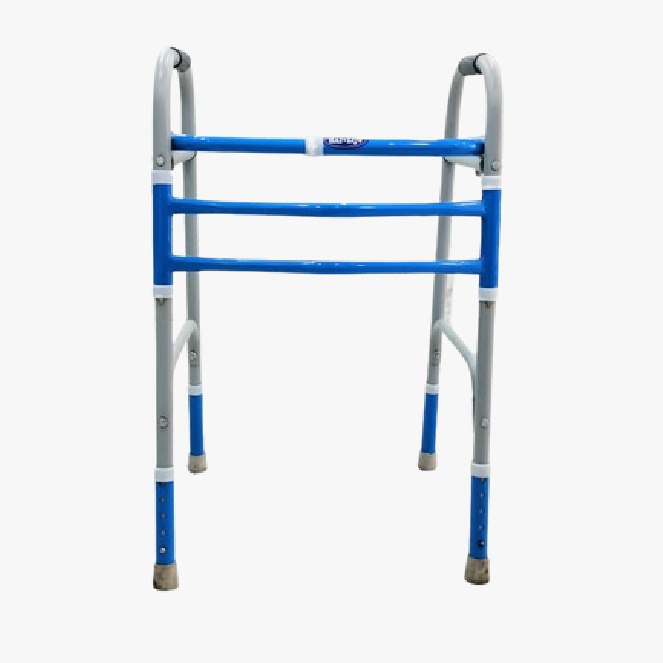
- Folding walker
- Walking aid for seniors
- Aluminium walker
- Patient walker
- Buy walker online India
Walker for Elderly: Everything You Need to Know Before Buying
As we age, everyday activities like walking to the kitchen, climbing stairs, or visiting the nearby market can become challenging. Joint pain, arthritis, muscle weakness, balance disorders, or recovery after surgery often reduce confidence while walking.
A walker for elderly individuals provides the additional stability needed to move safely and independently. More than just a mobility aid, it helps reduce the risk of falls, supports rehabilitation, and allows seniors to continue living an active life with dignity. Medical experts recommend choosing a walker based on the user’s balance, strength, and intended use rather than buying the first model available.
If you’re planning to buy a walker for yourself or a loved one, this guide will help you make an informed decision.
Why Do Elderly People Need a Walker?
Age-related mobility issues are extremely common. A walker becomes helpful when a person experiences:
- Difficulty maintaining balance
- Knee or hip arthritis
- Parkinson’s disease
- Stroke recovery
- Hip replacement surgery
- Knee replacement surgery
- Fractures or injuries
- General muscle weakness
- Fear of falling
A properly selected walker distributes body weight more evenly, increases stability, and encourages safer movement during daily activities.
Benefits of Using a Walker
Better Balance
Walkers provide four-point support, making them significantly more stable than walking sticks.
Reduced Risk of Falls
Falls are among the leading causes of injuries in older adults. A walker provides extra support while walking on smooth indoor floors or uneven outdoor surfaces.
Greater Independence
Users can move around the house, visit friends, attend medical appointments, or go for short walks with greater confidence.
Faster Recovery After Surgery
Orthopaedic surgeons and physiotherapists often recommend walkers during rehabilitation after knee replacement, hip replacement, or fracture surgeries.
Less Strain on Joints
A walker helps transfer part of the body weight through the arms, reducing stress on painful knees, hips, and ankles.
Types of Walkers
Choosing the correct walker is just as important as using one.
Standard Walker
A standard walker has four legs without wheels.
Best for:
- Maximum stability
- Early rehabilitation
- Post-operative recovery
- Weight-bearing patients
Two-Wheel Walker
Front wheels make movement easier while maintaining excellent stability.
Ideal for:
- Elderly people with moderate mobility issues
- Indoor use
- Long-term support
Rollator Walker (Four Wheels)
A rollator includes:
- Four wheels
- Hand brakes
- Comfortable seat
- Storage basket
Suitable for:
- Outdoor walking
- Parks
- Shopping
- Long distances
Because rollators roll continuously, they require good hand control and brake use. Standard walkers are generally better when significant weight-bearing support is needed.
How to Choose the Right Walker
Before purchasing, consider the following factors.
User Height
The handles should align with the user’s wrist when standing upright.
Weight Capacity
Always select a walker designed to safely support the user’s weight.
Folding Mechanism
A folding walker is easier to transport and store, especially in apartments or vehicles.
Frame Material
Most quality walkers use lightweight aluminium that resists rust while remaining easy to lift.
Indoor or Outdoor Use
A standard walker works well indoors, while rollators are better suited for outdoor walking.
Features to Look for in a Quality Walker
Choose a walker that offers:
- Lightweight aluminium construction
- Adjustable height
- Comfortable hand grips
- Non-slip rubber tips or durable wheels
- Easy folding mechanism
- Strong locking system
- Corrosion-resistant frame
- Comfortable width for doorways
Common Mistakes Buyers Make
Buying Without Measuring Height
An incorrectly sized walker causes poor posture and discomfort.
Choosing Wheels When Maximum Stability Is Needed
Patients recovering immediately after surgery often require a standard walker instead of a rollator.
Ignoring Weight Capacity
Always verify that the walker supports the user’s body weight.
Buying Only Based on Price
A reliable medical walker should prioritize safety, durability, and comfort.
Who Should Use a Walker?
A walker is recommended for:
- Senior citizens
- Arthritis patients
- Stroke survivors
- Parkinson’s patients
- Patients recovering from fractures
- Individuals after knee replacement surgery
- Individuals after hip replacement surgery
- People with balance disorders
- Patients undergoing rehabilitation
Walker vs Walking Stick
| Walker | Walking Stick |
|---|---|
| Four-point support | Single-point support |
| Maximum stability | Mild support |
| Better for recovery | Better for minor balance issues |
| Suitable for elderly patients | Suitable for active users with slight instability |
| Reduces fall risk significantly | Provides limited assistance |
Walker Maintenance Tips
Proper maintenance increases safety and extends the life of your walker.
- Inspect rubber tips regularly.
- Tighten loose screws.
- Keep the frame clean and dry.
- Replace worn grips when necessary.
- Ensure folding locks operate smoothly.
- Check wheels and brakes periodically on wheeled models.
Why Buy a Walker from Health Point?
Health Point has been helping Indian families with mobility and home healthcare solutions since 2001.
When you purchase from Health Point, you receive:
- Genuine medical equipment
- Affordable pricing
- Expert product guidance
- Reliable customer support
- Fast delivery
- Trusted healthcare experience
Our team helps you select the right mobility aid based on the patient’s condition rather than simply recommending the most expensive product.
Frequently Asked Questions
Which walker is best for elderly people?
The ideal walker depends on the user’s mobility, balance, strength, and medical condition. A standard walker is generally recommended for maximum stability, while wheeled models suit users who can safely control their movement.
Is an aluminium walker better than a steel walker?
Aluminium walkers are lightweight, rust-resistant, and easier to lift, making them a popular choice for everyday home use.
Can a walker be used after knee replacement surgery?
Yes. Many orthopaedic surgeons recommend walkers during the initial recovery period to improve stability and reduce stress on the operated knee.
How do I adjust the height of a walker?
The hand grips should align with the crease of your wrist when standing upright with your arms relaxed.
Is a walker better than a walking stick?
For people with significant balance problems or weakness, a walker generally provides much greater stability than a walking stick.
Final Thoughts
Choosing the right walker for elderly family members is an investment in safety, independence, and quality of life. The correct walker can reduce the risk of falls, improve confidence, and make everyday activities more comfortable.
Whether you’re caring for an ageing parent, helping someone recover after surgery, or looking for a dependable mobility aid for yourself, selecting a high-quality walker is one of the best decisions you can make.
Explore Health Point’s range of walkers and mobility aids to find the model that best suits your needs.
Suggested Internal Links
Add links within this blog to:
Folding Wheelchairs Wheelchair on Rent Hospital Bed on Rent Commode Chairs Walking Sticks Air Mattress Home Healthcare Services Contact Health Point