Tennis Elbow Support & Brace | Elbow Strap for Pain Relief | Health Point
Learn about tennis elbow, its symptoms, causes and support options. Explore tennis elbow straps and elbow braces for sports, work and daily activities at Health Point.
Tennis elbow is a common condition that causes pain around the outer side of the elbow. Despite its name, tennis elbow does not affect only tennis players. It can occur in people whose work, sports, or daily activities involve repeated gripping, lifting, twisting, or wrist movements.
Office professionals, carpenters, plumbers, mechanics, painters, athletes, gym users and many other individuals may experience this type of elbow pain.
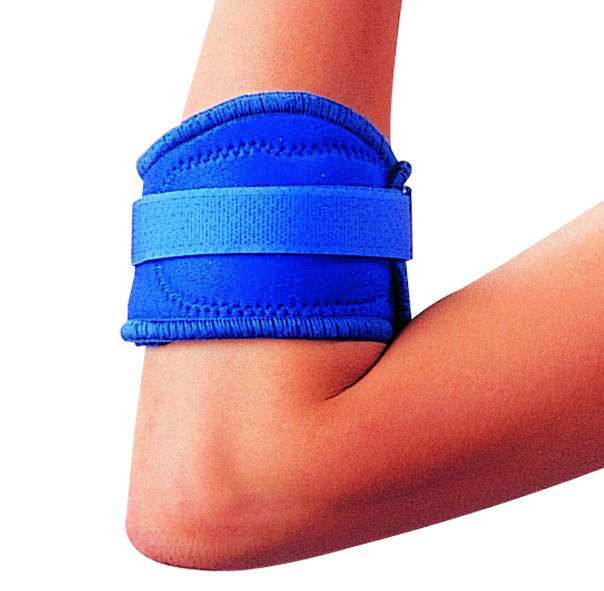
At Health Point, we understand the importance of proper support during recovery and daily activities. An appropriate tennis elbow support, elbow brace or elbow strap may help provide compression and support when used as part of an overall treatment plan.
What Is Tennis Elbow?
Tennis elbow is commonly known medically as lateral epicondylitis or, more recently, lateral elbow tendinopathy. It involves pain and irritation around the tendons attached to the bony area on the outside of the elbow.
These tendons connect muscles of the forearm to the elbow and are involved in movements such as:
- Gripping
- Lifting
- Twisting
- Extending the wrist
- Holding objects
Repeated stress can contribute to tendon irritation and pain.
Although tennis is one possible cause, many people who develop tennis elbow have never played the sport.
Common Symptoms of Tennis Elbow
Symptoms can vary from mild discomfort to significant pain.
Common signs include:
- Pain on the outer side of the elbow
- Tenderness around the outside of the elbow
- Pain that may extend into the forearm
- Discomfort while gripping objects
- Pain while lifting a cup, bag or other objects
- Difficulty with twisting movements
- Pain while shaking hands
- Discomfort while using tools
- Reduced grip strength in some cases
Persistent elbow pain can have several possible causes, so it is important not to assume that every elbow problem is tennis elbow.
What Causes Tennis Elbow?
Tennis elbow is commonly associated with repetitive use of the forearm muscles and tendons.
Activities that may contribute include:
1. Sports
Repeated racquet or gripping movements may place stress on the forearm.
This can occur in:
- Tennis
- Badminton
- Squash
- Table tennis
- Golf
- Other racquet sports
2. Computer and Office Work
Long periods of repetitive mouse and keyboard use, particularly with poor workstation ergonomics, may contribute to forearm strain in some individuals.
Office workers should pay attention to:
- Mouse position
- Keyboard height
- Wrist posture
- Chair and desk ergonomics
- Repetitive movements
3. Manual Work
People who regularly use tools may perform repeated gripping and twisting movements.
This can include:
- Mechanics
- Plumbers
- Electricians
- Carpenters
- Painters
- Construction workers
4. Gym and Fitness Activities
Incorrect technique, excessive loading or repetitive gripping during exercise may put stress on the forearm.
Exercises involving heavy gripping should be performed with proper technique and an appropriate training load.
5. Repetitive Household Activities
Even everyday activities may involve repeated wrist and forearm movements, such as:
- Gardening
- Cleaning
- Cooking
- Lifting objects
- Using hand tools
How Can a Tennis Elbow Support Help?
A tennis elbow strap or brace is designed to provide support around the upper forearm or elbow area, depending on the product design.
A properly fitted support may help by:
- Providing compression
- Supporting the affected area during activity
- Helping manage discomfort during certain movements
- Reducing strain during repetitive tasks in some situations
- Providing a reminder to avoid excessive or painful movement
Some products are designed as a counterforce strap, while others provide broader compression around the elbow and forearm.
The right product depends on the individual’s symptoms, activity level and comfort requirements.
Important: An elbow brace does not cure the underlying cause of elbow pain. Persistent or severe symptoms should be assessed by a qualified healthcare professional.
Types of Tennis Elbow Supports
Tennis Elbow Strap
A tennis elbow strap is generally worn around the upper part of the forearm, below the elbow.
It is often compact and adjustable, making it suitable for use during certain activities.
Depending on the design, it may be useful for people who need support while:
- Working
- Playing sports
- Using tools
- Performing repetitive tasks
Elbow Support Sleeve
An elbow sleeve generally provides broader compression around the elbow region.
Depending on its material and design, it may offer:
- Compression
- Comfortable support
- Coverage around a larger area
- Support during everyday activities
Adjustable Elbow Brace
An adjustable brace may allow the user to modify the fit and level of compression within the manufacturer’s recommended range.
Correct fitting is important. A support that is excessively tight can cause discomfort and should not be used in a way that restricts circulation.
Who Can Use a Tennis Elbow Brace?
A suitable elbow support may be considered by people experiencing elbow discomfort associated with repetitive activity, including:
Sports Players
Such as players involved in tennis, badminton, squash and other activities requiring repeated gripping.
Office Professionals
People who spend long hours using a computer and repeatedly operating a mouse may benefit from reviewing their workstation ergonomics. Support products may be considered where appropriate.
Manual Workers
Carpenters, plumbers, mechanics and other workers who perform repetitive gripping or twisting movements may require additional support during certain activities.
Gym and Fitness Enthusiasts
People experiencing forearm or elbow strain should address exercise technique and training load rather than simply relying on a brace.
Homemakers and Gardeners
Repeated household or gardening activities can also place stress on the hands, wrists and forearms.
How to Choose the Right Tennis Elbow Support
Not every elbow support is the same. Consider the following before purchasing.
1. Type of Support Required
Do you need:
- A focused tennis elbow strap?
- A compression sleeve?
- A broader elbow support?
- An adjustable brace?
Choose according to the area requiring support and the intended activity.
2. Size and Fit
Always check the product’s sizing guidance.
A poorly fitted brace may:
- Move during activity
- Provide inadequate support
- Feel uncomfortable
Do not overtighten an elbow support.
3. Material
Depending on the product, materials may include:
- Neoprene
- Elastic fabric
- Breathable fabric
- Foam padding
- Adjustable straps
Choose a material suitable for your intended duration of use and comfort requirements.
4. Your Daily Activity
A person who needs support while playing badminton may have different requirements from someone using a computer or working with tools throughout the day.
Think about when and how you intend to use the support.
Tennis Elbow Support Is Only One Part of Recovery
An elbow support can be useful, but recovery may require more than simply wearing a brace.
Depending on the cause and severity, a healthcare professional may recommend:
- Rest or modification of aggravating activities
- Physiotherapy
- Specific stretching or strengthening exercises
- Ergonomic changes
- Correction of sports technique
- Gradual return to activity
- Other medical treatment where necessary
Avoid repeatedly pushing through significant pain.
If symptoms continue or worsen, seek professional assessment.
Tips to Help Reduce Repetitive Elbow Strain
Take Regular Breaks
If your work involves repetitive movement, avoid performing the same motion continuously for long periods where possible.
Improve Your Workstation
For computer users:
- Keep the mouse within easy reach
- Avoid excessive wrist extension
- Position your keyboard comfortably
- Maintain good sitting posture
- Take movement breaks
Use Proper Technique
Whether playing sports, lifting weights or using tools, proper technique can help reduce unnecessary stress.
Avoid Sudden Increases in Activity
Increase exercise intensity and repetitive workloads gradually.
Listen to Your Body
Persistent pain should not be ignored. Continuing the same aggravating activity without addressing the cause may prolong the problem.
When Should You See a Doctor?
Seek medical advice if you experience:
- Severe elbow pain
- Significant swelling
- Inability to move the elbow normally
- Numbness or tingling
- Marked weakness
- Pain following a significant injury
- Symptoms that persist despite rest and basic care
- Increasing pain
Elbow pain can have multiple causes, and an accurate assessment is important.
Why Buy Elbow Supports from Health Point?
At Health Point, we focus on healthcare and orthopedic support solutions designed for different everyday requirements.
When choosing an elbow support, comfort and fit matter. Our aim is to help customers explore suitable support options based on their intended use.
Healthcare and Orthopedic Focus
Health Point offers products across orthopedic and healthcare support categories, helping customers explore solutions for mobility, comfort and daily support requirements.
Options for Different Needs
Different people have different requirements—whether the support is needed for:
- Sports
- Office work
- Gym activities
- Manual work
- Daily comfort
Choosing the right type of support is important.
Assistance in Choosing a Suitable Product
Before purchasing, consider your:
- Area of discomfort
- Intended activity
- Required type of support
- Preferred material
- Size and fit
The Health Point team can help you explore available options suitable for your requirements.
More Than Just One Product
Health Point also offers a range of related orthopedic and support products, including:
- Knee supports
- Cervical collars
- Lumbar supports
- Back rests
- Compression stockings
- Coccyx cushions
- Other orthopedic support solutions
This makes it easier to explore related healthcare requirements in one place.
Frequently Asked Questions About Tennis Elbow
What is tennis elbow?
Tennis elbow is a condition associated with pain around the outer side of the elbow and is commonly linked with overuse of the forearm muscles and tendons.
Can a tennis elbow strap help?
A properly fitted tennis elbow strap may provide compression and support during certain activities. Its suitability depends on the individual’s condition and should not replace appropriate medical assessment when required.
Do only tennis players get tennis elbow?
No. Tennis elbow can occur in anyone performing repetitive gripping, lifting, twisting or wrist movements.
How long does tennis elbow take to improve?
Recovery varies considerably depending on the individual, severity, activity modification and treatment. A healthcare professional can provide guidance based on the specific condition.
Can I wear an elbow brace all day?
Follow the manufacturer’s instructions and advice from your healthcare professional. Wearing any support continuously or excessively tightly may cause discomfort or other problems.
Where should a tennis elbow strap be placed?
Placement depends on the specific product. Follow the manufacturer’s instructions. Counterforce straps are generally positioned around the upper forearm rather than directly over the elbow joint.
Find the Right Elbow Support at Health Point
Repeated elbow and forearm movements are part of everyday life for many people. Whether you are an athlete, office professional, manual worker or fitness enthusiast, persistent elbow discomfort can interfere with your routine.
A suitable tennis elbow support or elbow brace may provide helpful compression and support during appropriate activities. Combined with activity modification, proper ergonomics and professional advice where needed, it can form part of a sensible approach to managing repetitive elbow strain.
Explore orthopedic and elbow support solutions at Health Point and choose the support that best suits your everyday requirements.