
Clavicle Support & Figure-8 Brace | Collarbone Support | Health Point
The clavicle, commonly known as the collarbone, connects the shoulder to the upper chest and plays an important role in shoulder movement and stability. Because of its location, an injury or discomfort around the collarbone can make everyday activities such as lifting the arm, dressing, sleeping, and carrying objects difficult.
A clavicle support, also called a clavicle brace, figure-8 brace, or clavicle splint, is designed to provide support around the shoulders and help maintain a more appropriate posture and shoulder position.
At Health Point, we offer orthopedic support products for different healthcare and recovery requirements. A clavicle support can be a useful option when recommended by a doctor or physiotherapist for appropriate collarbone and upper-body conditions.
What Is a Clavicle Support?
A clavicle support is an orthopedic brace designed to support the area around the collarbone and shoulders.
Many clavicle supports use a figure-8 design, with straps passing around the shoulders and upper back. This design helps gently draw the shoulders backward while providing support to the clavicle region.
Depending on the product, a clavicle support may help:
- Support the shoulder area
- Encourage a more upright shoulder position
- Reduce unnecessary shoulder movement
- Provide support during recovery
- Improve comfort
- Assist with posture awareness
The exact function depends on the design and intended use of the particular brace.
What Is the Clavicle?
The clavicle is the long, slightly curved bone located between the breastbone and shoulder blade.
You have one clavicle on each side of your body.
It helps:
- Connect the arm to the trunk
- Stabilise the shoulder
- Allow a wide range of shoulder movement
- Transfer forces between the arm and the body
Because the clavicle is relatively exposed, it can be vulnerable to injuries, particularly during falls, sports accidents, or direct impact.
What Is a Clavicle Brace or Figure-8 Brace?
A figure-8 clavicle brace is one of the most commonly recognised types of clavicle support.
The straps form a shape similar to the number 8 around the shoulders.
This design can help gently pull the shoulders backward and discourage excessive forward movement.
It may be used for:
- Certain clavicle injuries
- Postural support
- Shoulder positioning
- Recovery from selected injuries
- Support following medical assessment
However, a figure-8 brace is not appropriate for every clavicle fracture or shoulder injury. The treating healthcare professional should determine the appropriate method of immobilisation.
Benefits of Using a Clavicle Support
1. Provides Additional Support
A clavicle brace can provide support around the shoulders and upper torso.
This may make the affected area feel more secure during everyday activities.
2. Encourages Shoulder Positioning
Many figure-8 braces gently draw the shoulders backward.
This can help users become more aware of excessive shoulder rounding and encourage a more upright position.
3. Helps Limit Certain Movements
Depending on its construction, a clavicle support may help reduce excessive movement of the shoulders.
This can be useful during certain stages of recovery.
4. Can Improve Comfort
Supporting the shoulder region may help reduce discomfort caused by unwanted movement in some situations.
5. Useful During Recovery
A clavicle support may be recommended as part of a recovery plan following certain injuries.
The duration of use should always be determined by the treating healthcare professional.
Clavicle Support for Collarbone Fractures
A fractured clavicle is a relatively common injury and can occur following:
- Falls
- Sports injuries
- Road accidents
- Direct impact
- Bicycle or motorcycle accidents
Symptoms may include:
- Pain around the collarbone
- Swelling
- Bruising
- Difficulty moving the shoulder
- Tenderness
- A visible change in the shape of the collarbone in some cases
Treatment depends on the location and severity of the fracture.
Some clavicle fractures can be managed without surgery, while others may require surgical treatment.
Where does a clavicle support fit in?
A doctor may recommend a sling or other support depending on the fracture.
A figure-8 clavicle brace should not be automatically used for a suspected fracture without medical assessment.
If you suspect a collarbone fracture, seek medical attention rather than attempting to treat the injury yourself.
Clavicle Support for Posture
Not everyone who uses a clavicle support has an injury.
Some figure-8 supports are designed primarily as posture-support products.
People who spend long periods sitting at a desk may develop a habit of rounding their shoulders forward.
A posture-oriented clavicle support may help by providing a gentle reminder to keep the shoulders in a more upright position.
However, it should not be considered a permanent solution for poor posture.
For long-term posture improvement, strengthening, mobility exercises, ergonomic changes, and regular movement are generally more useful.
Clavicle Support for Office Workers
Modern work often involves sitting in front of a computer for several hours.
Poor workstation setup can encourage:
- Rounded shoulders
- Forward head posture
- Prolonged static positioning
- Upper-back stiffness
A clavicle or posture support may provide a reminder to maintain a more upright position.
However, don’t rely solely on a brace.
Also consider:
- Adjusting your monitor height
- Keeping your keyboard and mouse comfortably positioned
- Supporting your back
- Relaxing your shoulders
- Taking regular movement breaks
- Performing appropriate strengthening and mobility exercises
Clavicle Support for Sports
The clavicle is particularly vulnerable to impact during certain sports.
Activities such as:
- Cycling
- Football
- Cricket
- Rugby
- Hockey
- Wrestling
- Martial arts
- Contact sports
can involve falls or direct impact to the shoulder.
A clavicle support may be used during recovery when recommended by a healthcare professional.
It should not be considered a substitute for appropriate protective equipment or proper injury management.
Who Can Benefit from a Clavicle Support?
A clavicle support may be appropriate for:
People Recovering from Certain Collarbone Injuries
A healthcare professional may recommend support during recovery depending on the injury.
People Requiring Shoulder Positioning
Certain figure-8 designs can help encourage a more appropriate shoulder position.
People With Rounded Shoulders
A posture-oriented support may provide a physical reminder to avoid excessive shoulder rounding.
Sportspeople
Athletes recovering from certain shoulder or clavicle injuries may use support as part of their rehabilitation plan.
People Who Sit for Long Periods
Office workers may find posture-support products useful as a reminder to maintain better shoulder positioning.
How to Choose the Right Clavicle Support
Selecting the right brace is important.
1. Consider Why You Need It
Are you looking for:
- Fracture support?
- Post-injury support?
- Posture support?
- Shoulder positioning?
- Recovery support?
Different requirements may call for different products.
2. Choose the Correct Size
Clavicle braces need to fit properly around the shoulders and upper body.
An incorrectly sized brace may be uncomfortable or fail to provide appropriate support.
3. Look for Adjustable Straps
Adjustable straps can help customise the fit and make it easier to achieve comfortable shoulder positioning.
4. Check the Padding
Since the straps pass around the shoulders and under the arms, adequate padding can improve comfort, particularly when the brace is worn for extended periods.
5. Follow Medical Advice for Injuries
If you’re purchasing a clavicle support following a fracture or significant injury, follow your doctor’s recommendation regarding the type of support.
How to Wear a Figure-8 Clavicle Support
The exact fitting procedure depends on the product.
Generally:
- Place the support around the shoulders as instructed.
- Position the straps correctly around the shoulder area.
- Ensure the central section sits appropriately on the upper back.
- Adjust the straps gradually.
- Make sure the shoulders are gently supported rather than forcefully pulled backward.
- Check the underarm area for excessive pressure.
- Ensure normal breathing and comfortable arm movement.
Remember:
A clavicle brace should provide support—not pain.
If you experience numbness, tingling, excessive pressure, skin irritation, or difficulty breathing, loosen or remove the brace and seek appropriate advice.
How Tight Should a Clavicle Brace Be?
This is one of the most important fitting questions.
A clavicle brace should be snug and supportive but not excessively tight.
It should not:
- Dig into the skin
- Cause numbness
- Cause tingling
- Restrict breathing
- Cause significant shoulder pain
- Restrict circulation
The goal is gentle support and positioning, not forcing the shoulders backward.
Can You Sleep Wearing a Clavicle Support?
Whether you should sleep wearing a clavicle support depends on the reason you’re using it and the specific product.
If you have a collarbone fracture or significant injury, follow your doctor’s instructions.
For posture-support braces, the manufacturer may recommend wearing them only for limited periods during the day.
Do not assume that wearing a brace continuously will provide better results.
Can a Clavicle Support Correct Poor Posture?
A clavicle support can provide a physical reminder to keep your shoulders positioned more upright.
However, it does not permanently correct posture on its own.
Long-term posture improvement is better supported by:
- Strengthening exercises
- Mobility exercises
- Ergonomic improvements
- Regular movement
- Proper workstation setup
- Developing healthy movement habits
Think of the brace as a support tool, rather than a permanent solution.
Clavicle Support vs Arm Sling
These products serve different purposes.
Clavicle Support
Usually wraps around the shoulders and upper back and is designed to support shoulder positioning and, in selected cases, the clavicle region.
Arm Sling
Supports the weight of the arm and can help restrict arm movement following certain injuries.
For a collarbone fracture, your doctor may recommend one or another—or a specific combination—depending on the injury.
Clavicle Support vs Figure-8 Posture Corrector
The terms can sometimes be confusing.
A figure-8 clavicle brace may be used for specific medical support or shoulder positioning, depending on its design.
A posture corrector is generally designed to encourage better shoulder and upper-body posture during everyday activities.
Although their designs can look similar, their intended purposes can differ.
Always check the product’s specifications and intended use.
When Should You See a Doctor?
You should seek medical attention rather than relying on a clavicle support if you have:
- Severe collarbone pain
- Significant swelling
- A visible deformity
- Difficulty moving the arm
- Severe bruising
- Pain following a major fall or accident
- Numbness or weakness in the arm
- Difficulty breathing
- Increasing pain despite rest
A suspected clavicle fracture requires proper assessment and imaging where clinically indicated.
Why Buy a Clavicle Support from Health Point?
At Health Point, we understand that orthopedic supports need to be selected according to the user’s individual needs.
Our healthcare-focused range includes products for different parts of the body and different support requirements.
Wide Range of Orthopedic Supports
Health Point offers products such as:
- Clavicle supports
- Figure-8 braces
- Shoulder supports
- Arm slings
- Wrist supports
- Elbow supports
- Knee supports
- Lumbar supports
- Cervical collars
- Bunion supports
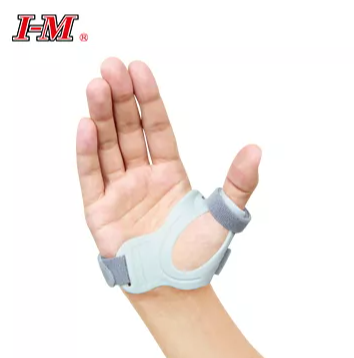
- Thumb braces
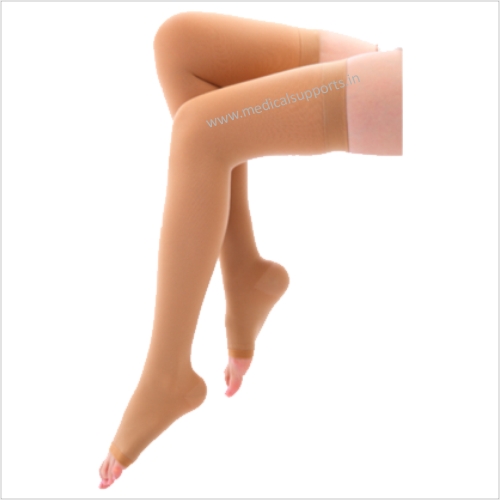
- Compression stockings
- Insoles
Support for Different Requirements
Whether you’re looking for clavicle support following professional medical advice or a figure-8 support for posture, Health Point can help you explore the available options.
Healthcare-Focused Product Selection
Health Point specialises in healthcare, orthopedic, mobility, and patient-care products.
Guidance on Choosing the Right Product
If you’re unsure whether you need a clavicle brace, shoulder support, or arm sling, our team can help you understand the available options.
For fractures and significant injuries, however, the recommendation of your treating doctor should always take priority.
Frequently Asked Questions About Clavicle Supports
What is a clavicle support?
A clavicle support is an orthopedic brace designed to support the shoulder and collarbone region. Many designs use a figure-8 configuration around the shoulders.
What is a figure-8 clavicle brace?
A figure-8 brace is designed with straps that pass around both shoulders and the upper back, gently drawing the shoulders backward.
Can a clavicle support help with a broken collarbone?
A healthcare professional may recommend a specific support for certain clavicle fractures, but not every fracture should be treated with the same brace. Always follow medical advice.
Can a clavicle brace improve posture?
A figure-8 posture support may provide a physical reminder to keep the shoulders more upright. Long-term posture improvement generally requires strengthening, mobility, ergonomic changes, and healthy movement habits.
How tight should a clavicle support be?
It should be snug and supportive without causing pain, numbness, tingling, skin irritation, or difficulty breathing.
Can I wear a clavicle support while sleeping?
This depends on the specific product and your medical condition. Follow your healthcare professional’s instructions if you’re using it for an injury.
Where can I buy a clavicle support?
You can explore clavicle supports and other orthopedic products at Health Point. Contact Health Point to check available sizes, designs, and current stock.
Find the Right Clavicle Support at Health Point
Whether you require support following a collarbone injury or are looking for a figure-8 support for shoulder positioning, selecting the appropriate product is important.
A well-fitted clavicle support can provide additional support and help encourage appropriate shoulder positioning during use.
However, a brace should complement—not replace—proper medical evaluation and rehabilitation when an injury is involved.
At Health Point, you can explore clavicle supports along with a wide range of orthopedic and healthcare products.
Looking for a Clavicle Support or Figure-8 Brace? Visit Health Point and explore our orthopedic support range today.
Health Point — Your trusted destination for healthcare, orthopedic and patient-care products.