Arm Sling for Kids & Adults | Arm Support | Health Point
Buy arm slings for kids and adults at Health Point. Comfortable arm support for fractures, sprains, shoulder injuries, post-surgery recovery and everyday orthopedic care.
An arm injury can make even simple daily activities uncomfortable. Whether it is a fracture, sprain, dislocation, shoulder injury, post-operative recovery, or another condition requiring temporary immobilisation, proper arm support can make a significant difference to comfort and mobility.
An arm sling is a simple but useful support designed to hold the arm in a supported position and reduce unnecessary movement.
At Health Point, we offer arm slings for both kids and adults, making it easier for families to find an appropriate size for different age groups.
Whether you are looking for an arm sling for a child recovering from an injury or an adult who needs support following an accident or procedure, Health Point can help you find a suitable option.
What Is an Arm Sling?
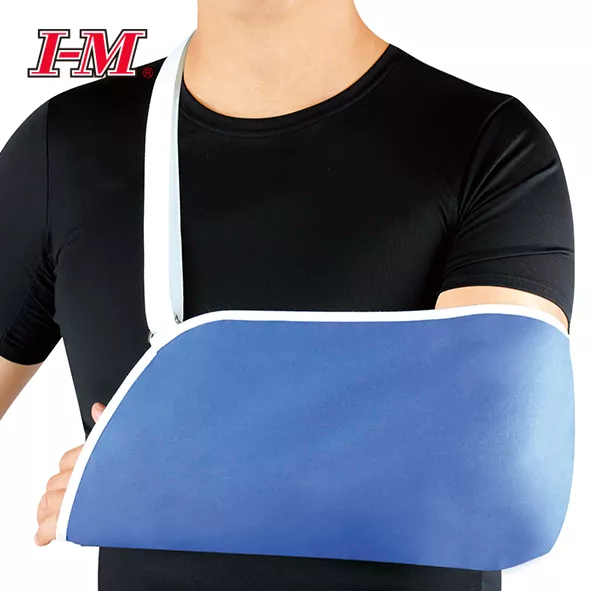
An arm sling is an orthopedic support designed to support the arm and, depending on its design, the wrist and hand.
It generally consists of a fabric pouch or support section that holds the arm, along with an adjustable strap that goes around the neck or shoulder.
An arm sling may be recommended following:
- Arm fractures
- Wrist injuries
- Shoulder injuries
- Elbow injuries
- Sprains
- Dislocations
- Soft-tissue injuries
- Certain surgical procedures
The type and duration of support should always follow the advice of the treating healthcare professional.
Why Is an Arm Sling Used?
Following an injury, unnecessary movement of the affected arm can sometimes increase discomfort or interfere with the recovery plan.
An arm sling can help by:
- Supporting the weight of the arm
- Limiting unnecessary arm movement
- Keeping the arm in a supported position
- Improving comfort during recovery
- Making movement easier for the patient
- Providing support during certain activities
An arm sling is a support device, not a treatment for the underlying injury. The appropriate type and duration of use depend on the specific injury and medical advice.
Arm Slings for Kids
Children can be particularly difficult to manage after an arm or shoulder injury. They may naturally want to continue playing, moving, or using the affected arm even when rest is recommended.
A properly fitted children’s arm sling can provide support while helping keep the injured arm in an appropriate position.
Arm slings for children are available in sizes designed for smaller arms and bodies.
They may be used for children recovering from:
- Arm fractures
- Wrist injuries
- Elbow injuries
- Shoulder injuries
- Sprains
- Other injuries requiring temporary arm support
Why the correct size matters for children
A child’s arm sling should not simply be an adult sling adjusted to a smaller setting.
The sling should be appropriately sized so that:
- The arm is properly supported
- The hand is positioned comfortably
- The strap does not cause excessive pressure
- The sling does not interfere with the child’s neck
- The child can remain reasonably comfortable
Parents should follow the healthcare professional’s instructions regarding how and when the sling should be worn.
Arm Slings for Adults
Adults may require arm support following accidents, sports injuries, fractures, surgery, or other orthopedic conditions.
An adult arm sling can provide support while the patient moves around during everyday activities.
It may be useful during recovery from:
- Shoulder injuries
- Arm fractures
- Elbow injuries
- Wrist injuries
- Dislocations
- Sprains
- Post-operative recovery
The appropriate sling depends on the location and severity of the injury.
Benefits of Using an Arm Sling
1. Supports the Injured Arm
The primary function of an arm sling is to support the weight of the arm.
This can reduce the need to continuously hold the injured arm with the other hand.
2. Helps Limit Unnecessary Movement
Depending on its design, a sling can help restrict excessive movement of the arm.
This may be particularly useful during the initial stages of recovery when movement needs to be limited.
3. Provides Greater Comfort
An unsupported injured arm can become uncomfortable, especially when walking or sitting.
A properly fitted sling can help keep the arm in a more comfortable supported position.
4. Makes Everyday Movement Easier
Patients may find it easier to walk, sit, travel, or perform basic activities when their injured arm is properly supported.
5. Useful for Children and Adults
Health Point offers arm sling options for both kids and adults, helping families find age-appropriate support.
When Might a Doctor Recommend an Arm Sling?
The decision to use an arm sling depends on the injury.
A healthcare professional may recommend one following:
Fractures
Certain fractures of the arm, wrist, or shoulder region may require temporary support.
Sprains and Strains
A sling may sometimes be used to provide comfort and reduce unnecessary movement.
Dislocations
After a joint has been repositioned, a healthcare professional may recommend temporary immobilisation or support.
Shoulder Injuries
Some shoulder injuries may benefit from temporary arm support.
Post-Surgery
Certain orthopedic procedures may require the arm to be supported during the recovery period.
Always follow your doctor’s instructions regarding sling use.
How to Choose the Right Arm Sling
Choosing an arm sling is not simply about selecting the cheapest option.
Consider the following factors:
1. Age and Size
This is particularly important when purchasing a sling for a child.
Health Point offers options for both kids and adults.
2. Type of Injury
The sling should be appropriate for the type of injury and level of support required.
3. Comfort
Look for:
- Comfortable fabric
- Appropriate padding
- Adjustable straps
- Good arm support
- Suitable hand positioning
4. Adjustability
An adjustable strap can help achieve a more comfortable fit for different body sizes.
5. Medical Recommendation
For fractures, dislocations, surgery, or significant injuries, follow the recommendations of the treating healthcare professional.
How to Wear an Arm Sling Correctly
The exact method depends on the sling design.
Generally:
- Place the injured arm into the sling pouch.
- Ensure the elbow is positioned correctly inside the sling.
- Allow the hand and wrist to rest comfortably.
- Adjust the shoulder strap so the arm is adequately supported.
- Ensure the strap is not excessively tight.
- Check that the neck and shoulder remain comfortable.
- Follow your doctor’s instructions regarding the position of the arm.
The sling should support the arm without causing excessive pressure.
Important Safety Tips When Using an Arm Sling
An arm sling should be comfortable and supportive, not painfully tight.
Check regularly for:
- Numbness
- Tingling
- Increasing pain
- Swelling
- Unusual colour changes in the hand
- Coldness of the fingers
- Excessive pressure around the neck or shoulder
If these symptoms occur, seek medical advice.
Do not alter the recommended position or duration of immobilisation without consulting the treating healthcare professional.
Should an Arm Sling Be Worn All Day?
Not necessarily.
The appropriate duration depends entirely on the injury and the advice given by the doctor or physiotherapist.
Some injuries may require more consistent immobilisation, while others may require periods without the sling to allow controlled movement and rehabilitation.
Therefore:
Follow the wearing schedule provided by your healthcare professional.
Do not assume that wearing a sling continuously is always better.
Arm Sling for Children: What Parents Should Know
Children may find it difficult to understand why they need to restrict movement after an injury.
Parents and caregivers can help by:
- Checking the sling regularly
- Ensuring the child’s arm remains properly positioned
- Making sure the sling isn’t too tight
- Keeping the child from activities that could worsen the injury
- Following the doctor’s instructions
- Monitoring for discomfort or changes in the hand
If the child complains of increasing pain, numbness, tingling, or unusual swelling, contact the treating healthcare professional.
Arm Sling for Adults: Everyday Use
Adults wearing a sling may still need to move around the house, travel to appointments, or perform basic activities.
A comfortable sling can make these activities easier by keeping the arm supported.
However, avoid lifting, driving, exercising, or performing other activities with the injured arm unless your healthcare professional has cleared you to do so.
Why Buy Arm Slings from Health Point?
At Health Point, we understand that orthopedic supports need to be appropriate for the person using them.
That’s why we offer arm sling options for both kids and adults.
Options for Different Age Groups
Whether you need an arm sling for a child or an adult, Health Point can help you explore suitable options.
Healthcare-Focused Product Range
Health Point provides a broad range of orthopedic, mobility, medical, and patient-care products.
Our range includes products such as:
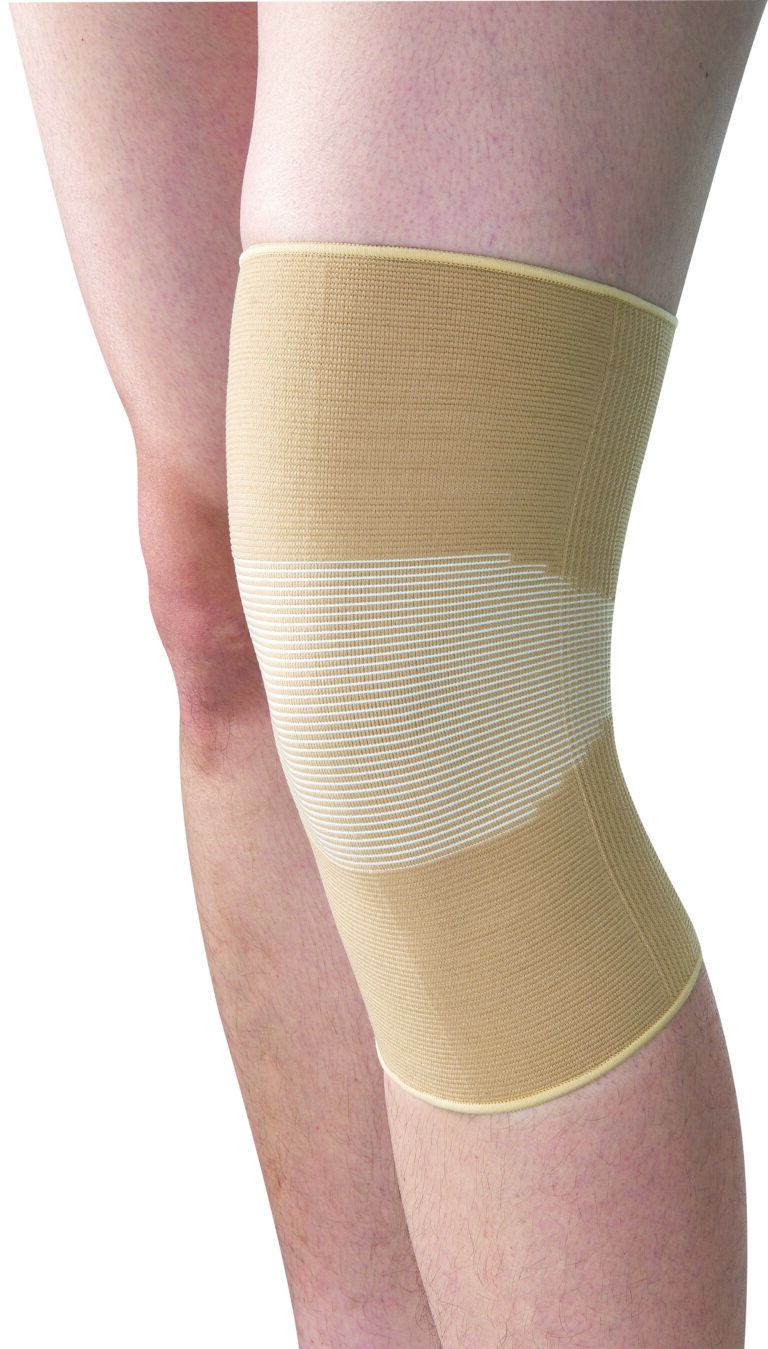
- Knee caps
- Lumbar supports
- Cervical collars
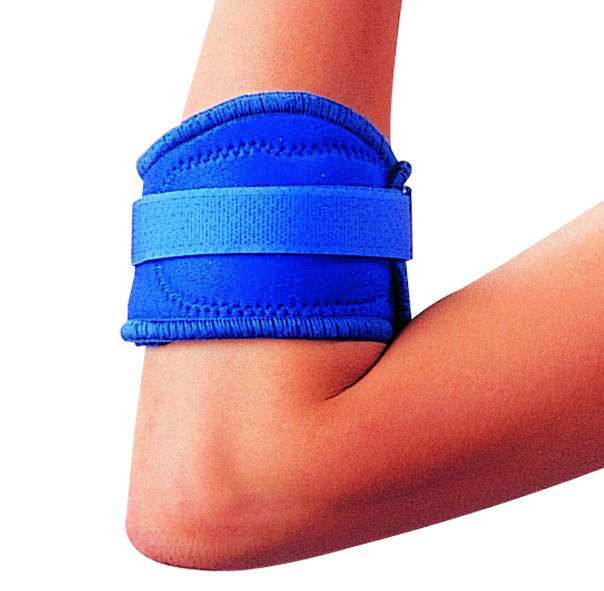
- Tennis elbow supports
- Compression stockings
- Back rests
- Wheelchairs
- Hospital beds
- Air mattresses
- Patient-care products
Convenient Local Healthcare Shopping
Instead of searching for orthopedic products from multiple sources, customers can explore a wide selection of healthcare products at Health Point.
Guidance on Product Selection
If you’re unsure about the appropriate size or type of arm sling, our team can help you understand the available options.
For significant injuries, however, the final choice should follow the recommendation of the treating doctor or physiotherapist.
Arm Sling vs Shoulder Immobilizer
Although both products provide arm support, they are not always interchangeable.
Arm Sling
Primarily supports the weight of the arm and can limit unnecessary movement.
Shoulder Immobilizer
Designed to provide more extensive restriction of shoulder and arm movement, depending on its construction.
The appropriate product depends on the injury and the healthcare professional’s recommendation.
Can You Sleep Wearing an Arm Sling?
Whether you should sleep while wearing an arm sling depends on the injury and your doctor’s instructions.
Some patients may be advised to wear a sling while sleeping, while others may be told to remove it.
Do not make this decision based solely on general advice. Follow the instructions given for your specific injury.
Frequently Asked Questions About Arm Slings
What is an arm sling used for?
An arm sling is used to support the arm and help limit unnecessary movement following certain injuries, surgeries, fractures, sprains, or other conditions.
Does Health Point sell arm slings for children?
Yes. Health Point offers arm slings for kids as well as adults, with options depending on size and availability.
Can adults use an arm sling after a fracture?
Yes, an arm sling may be recommended following certain fractures. The type and duration of use should be determined by the treating healthcare professional.
How do I choose the right size arm sling for my child?
Choose a size appropriate for the child’s measurements and the product’s sizing guide. A healthcare professional can also help determine the appropriate support.
Can I wear an arm sling all day?
It depends on your injury and treatment plan. Follow your doctor’s or physiotherapist’s instructions regarding how long the sling should be worn.
Can I drive while wearing an arm sling?
Driving with an injured arm or while wearing a sling may be unsafe and may not be appropriate depending on the injury, vehicle, and local requirements. Follow medical and legal guidance before driving.
Find the Right Arm Sling for Kids & Adults at Health Point
An arm injury can temporarily affect almost every part of your daily routine. Having the right support can make the recovery period more comfortable and manageable.
At Health Point, we offer arm slings for both kids and adults, making it easier to find suitable support for different age groups and requirements.
Whether you’re recovering from a fracture, sprain, shoulder injury, surgery, or another condition requiring temporary arm support, choose an arm sling that fits properly and is appropriate for your condition.
Looking for an Arm Sling for a Child or Adult? Visit Health Point and explore our orthopedic support range today.
Health Point — Your trusted destination for healthcare, orthopedic and patient-care products.